Slack and Microsoft Teams have both gained prominence (along with Zoom) during this COVID-19 pandemic year of Working From Home. But back in the 20th Century, a small group within Microsoft built a prototype of an ideal collaboration “operating system.”
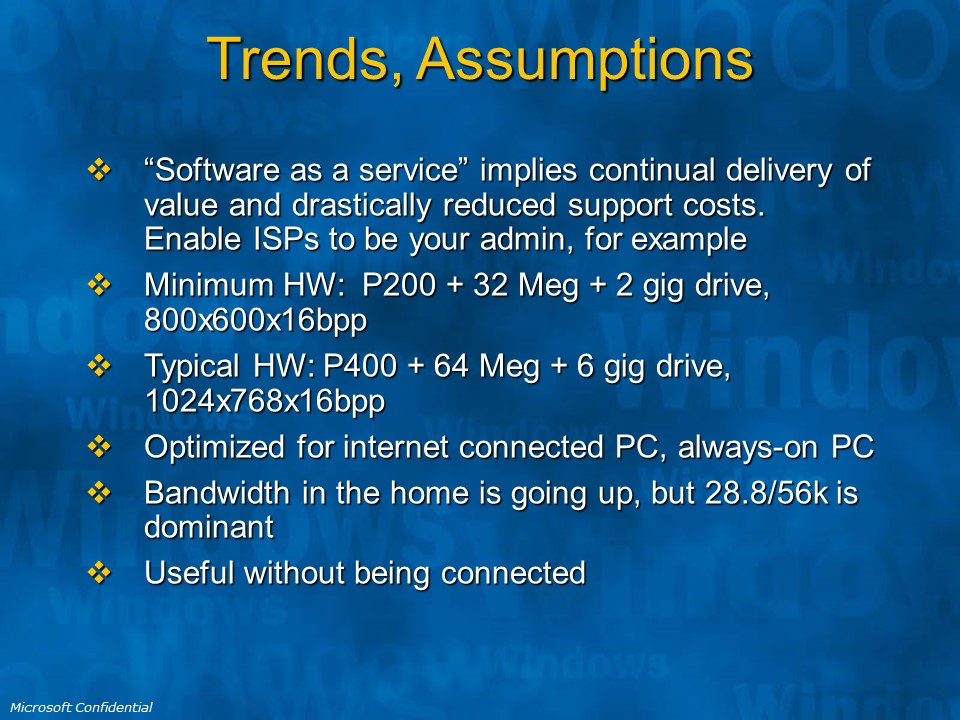
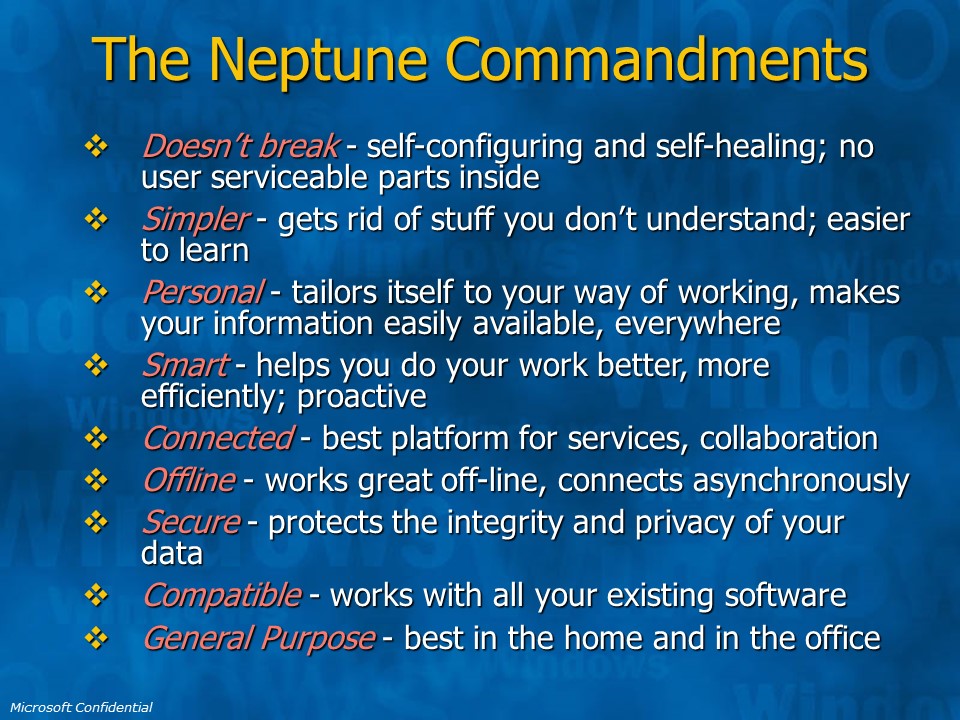
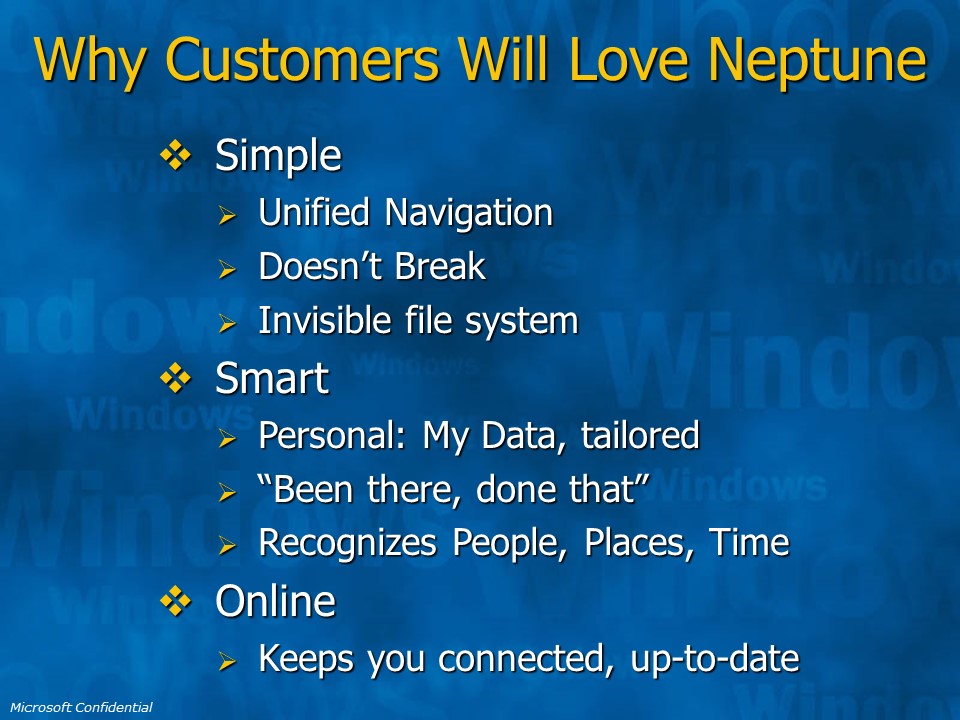
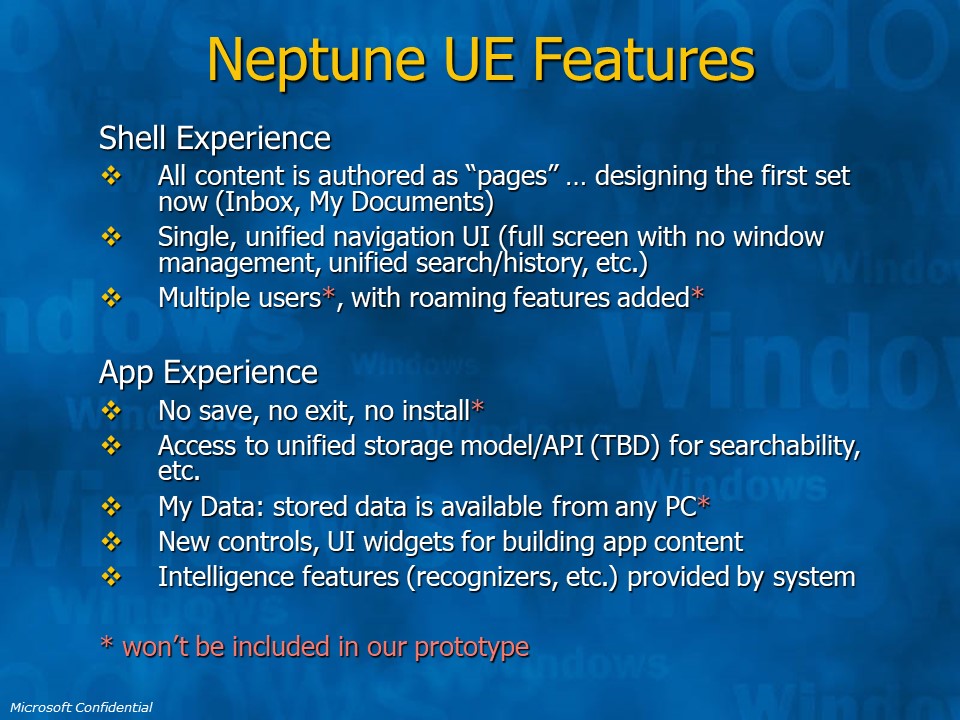
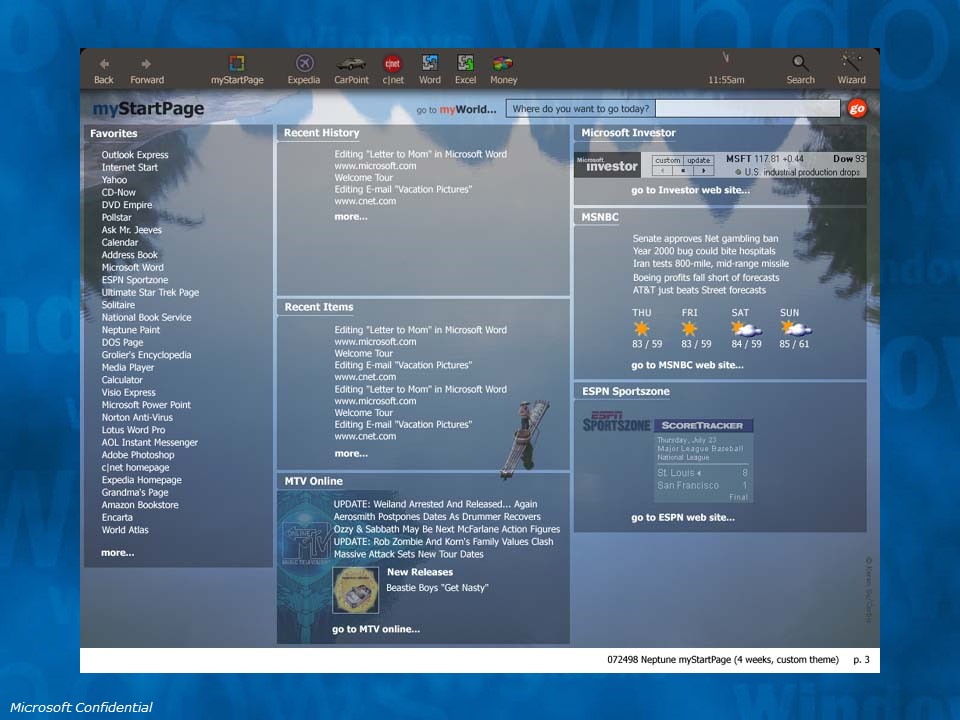
In 1998, I was working on the “RedShark” project to create a new user interface, along with Joe Belfiore, Steve Capps, and a team of ~15 other Microsoft employees. We imagined this could become a “software as a service” called “Neptune” that would supersede Windows. [Obviously, that did not happen…]
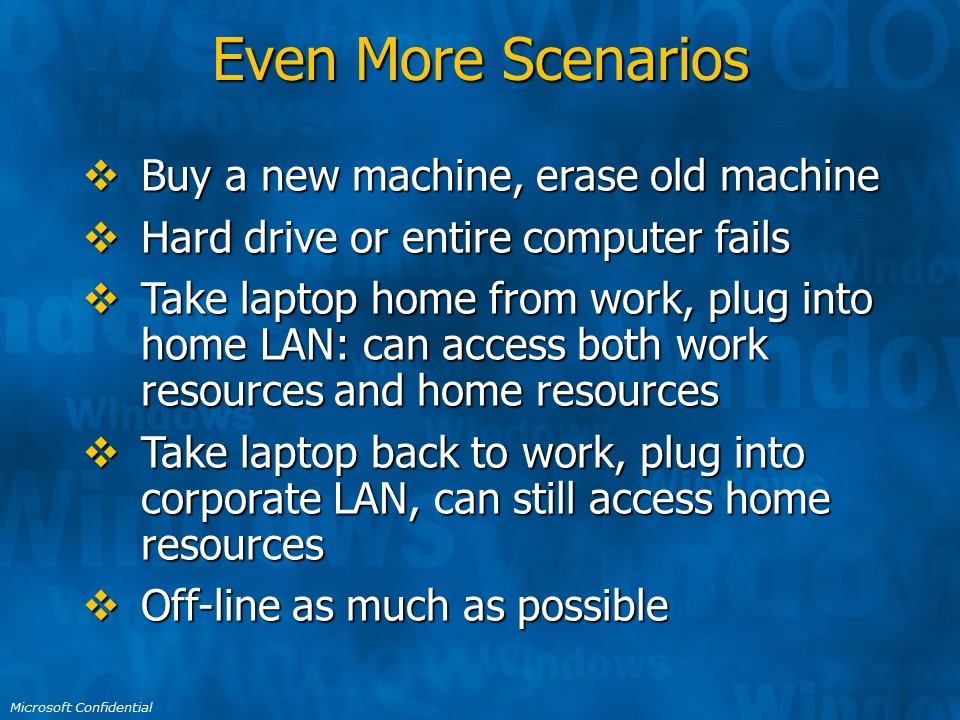
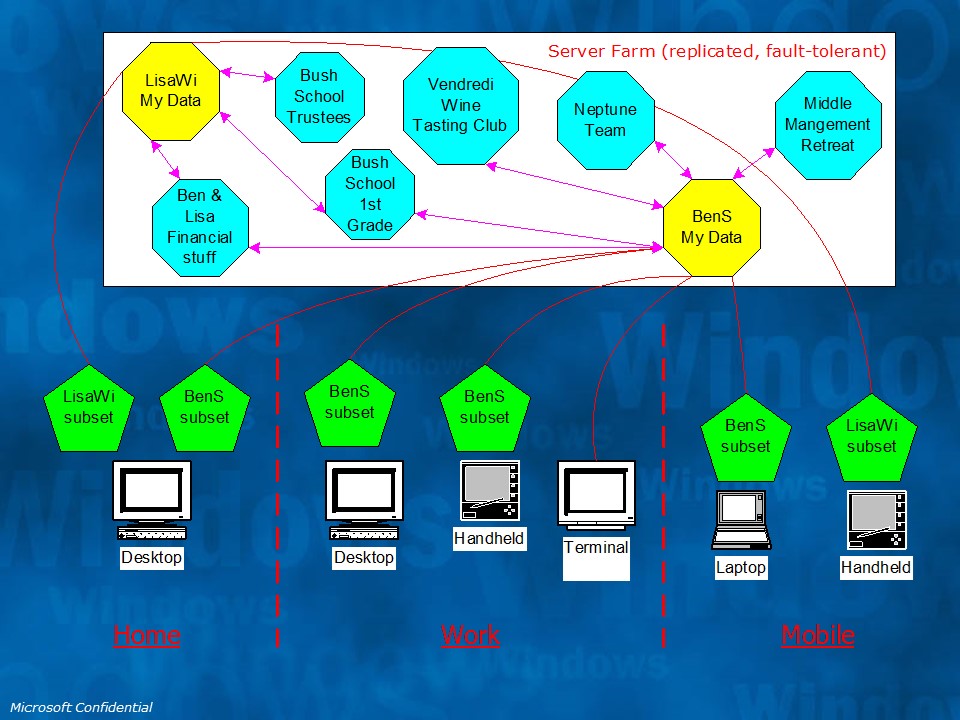
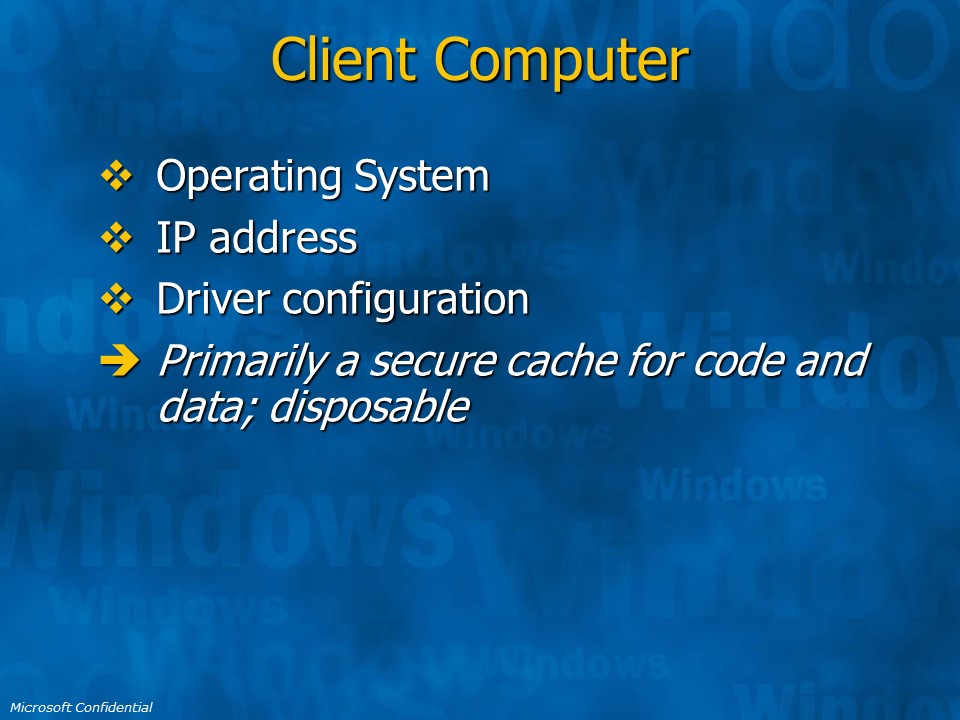
Key ideas: 1) Never Lose Data (all data lives on servers), 2) the computer is simply a secure cache for code and data, 3) projects are the key organizing principle, 4) works great “offline”.
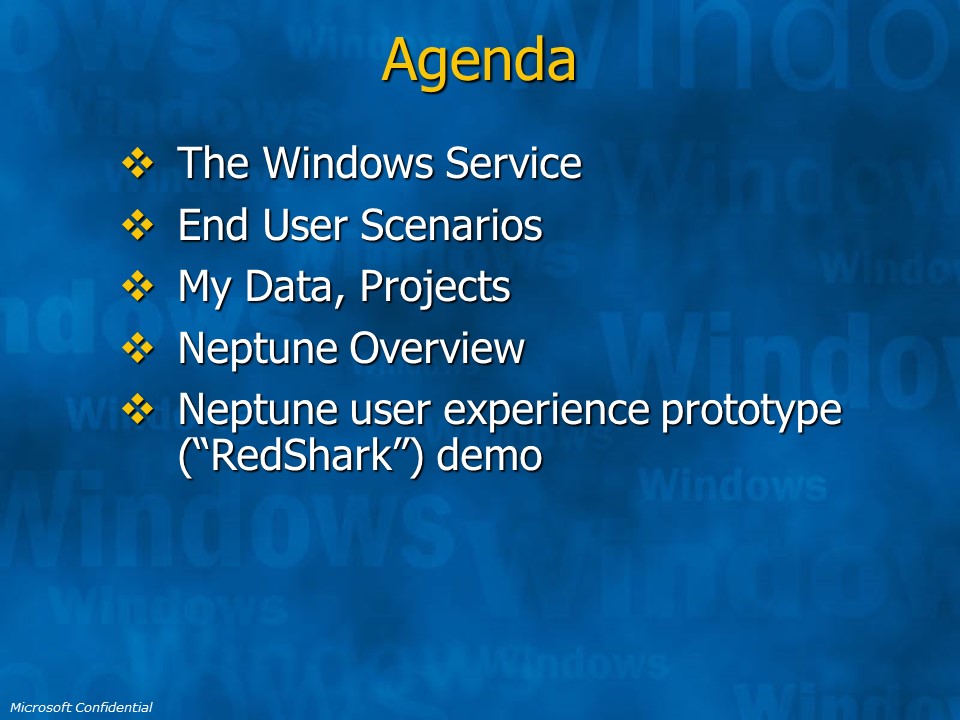
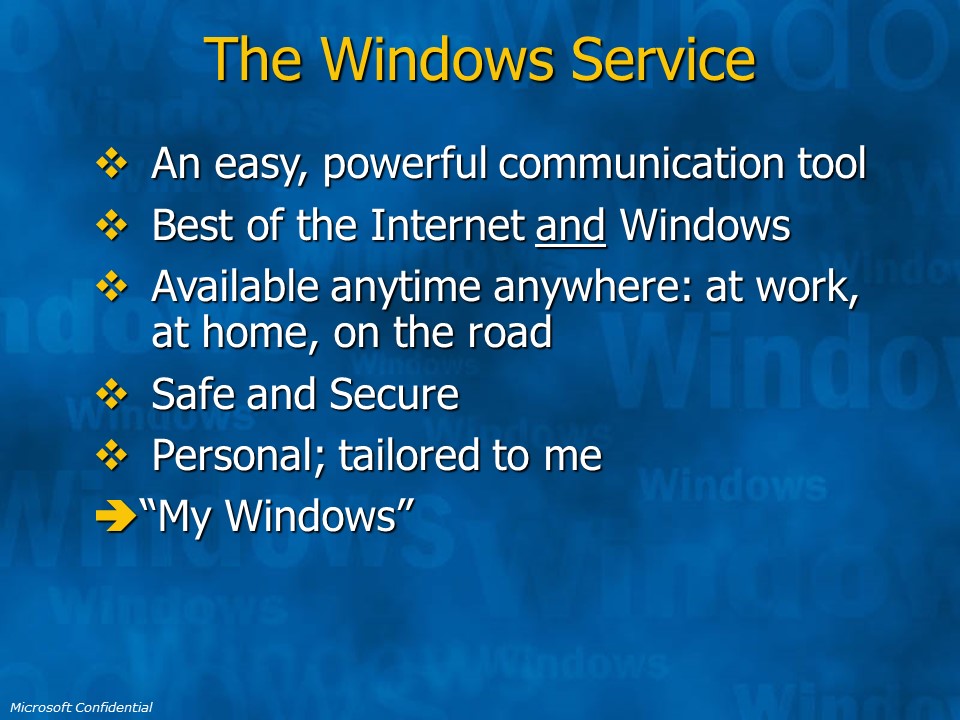
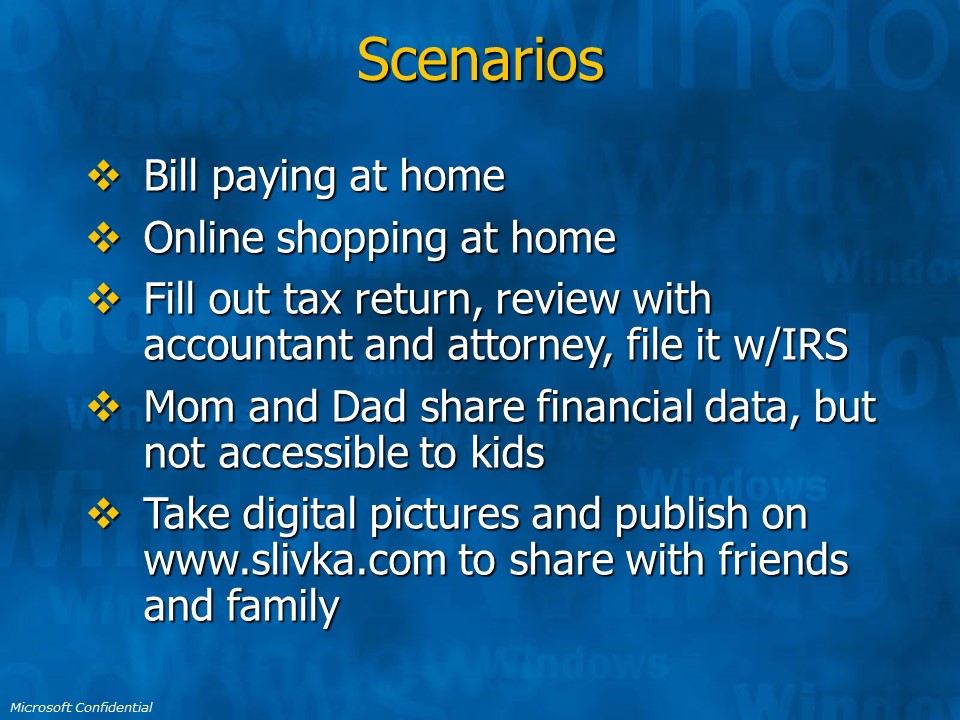
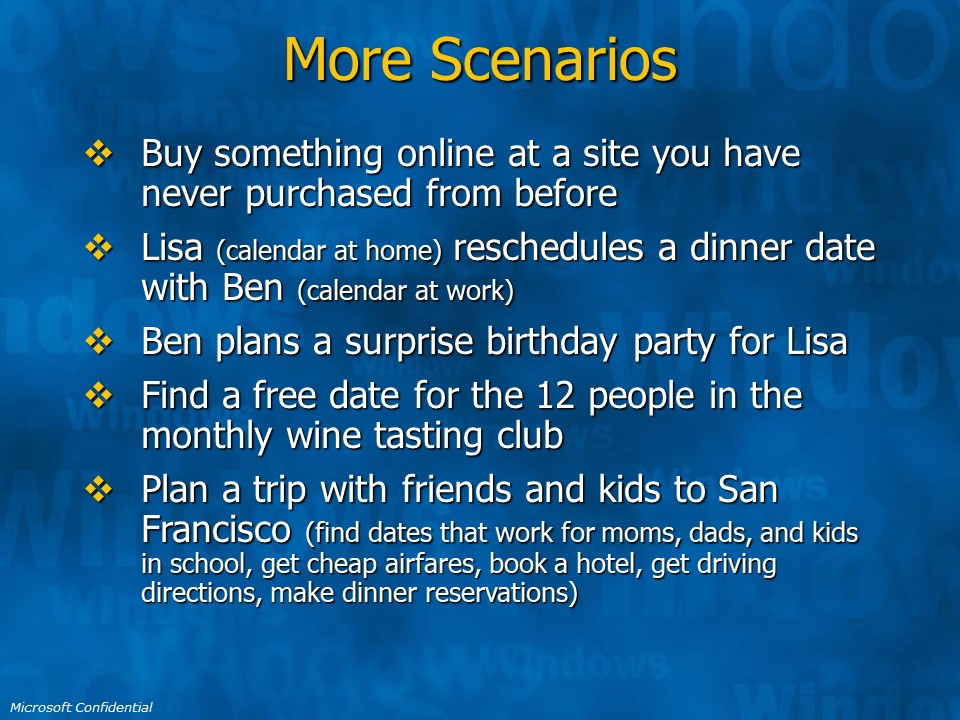
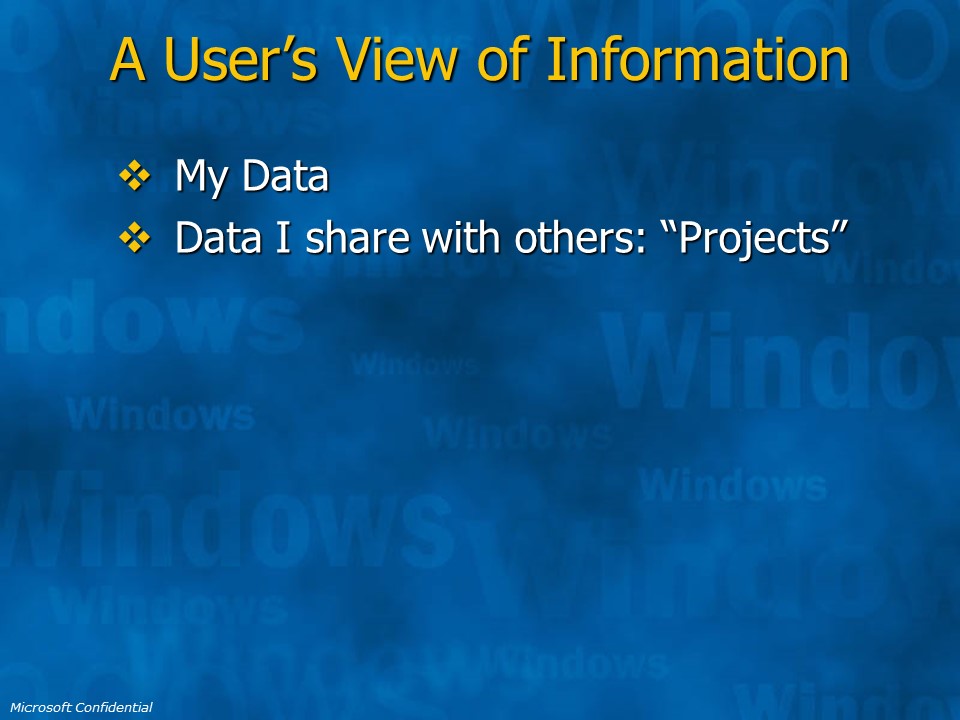
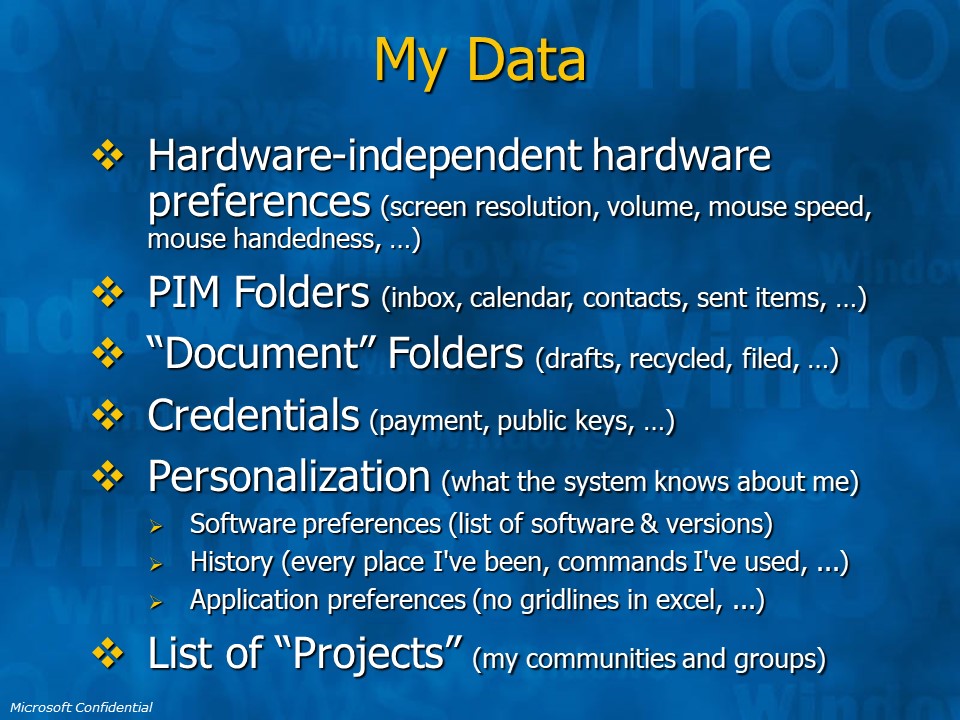
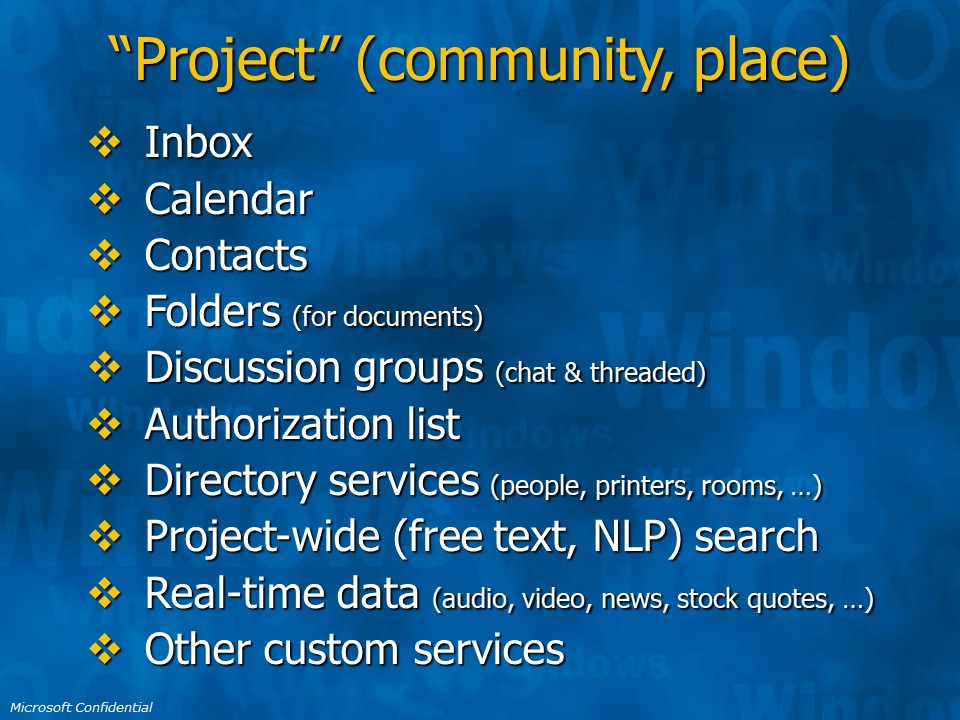
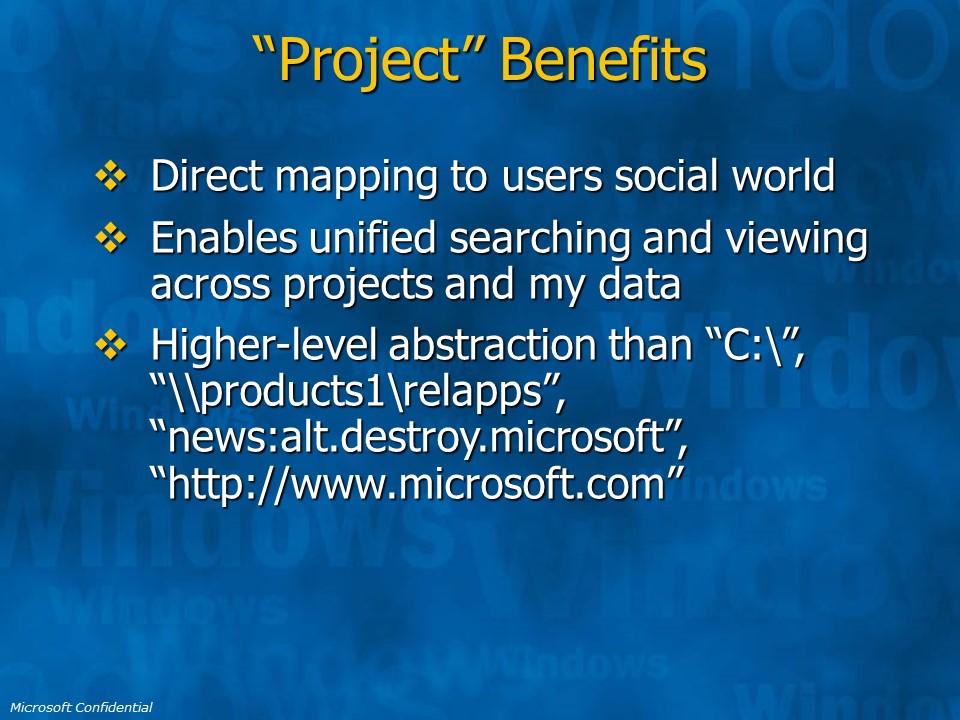
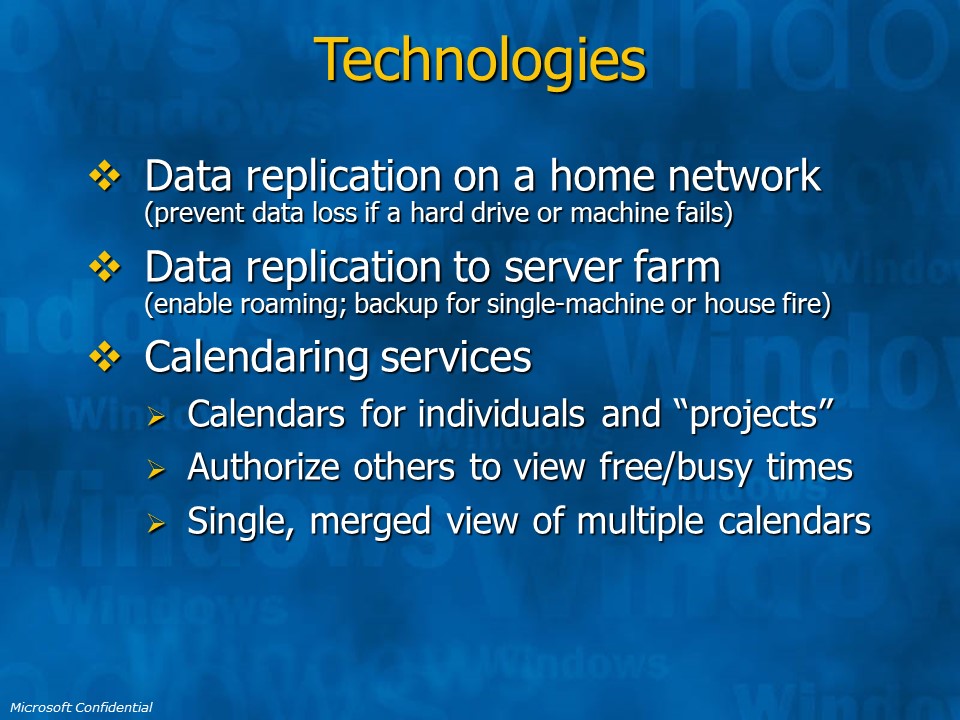
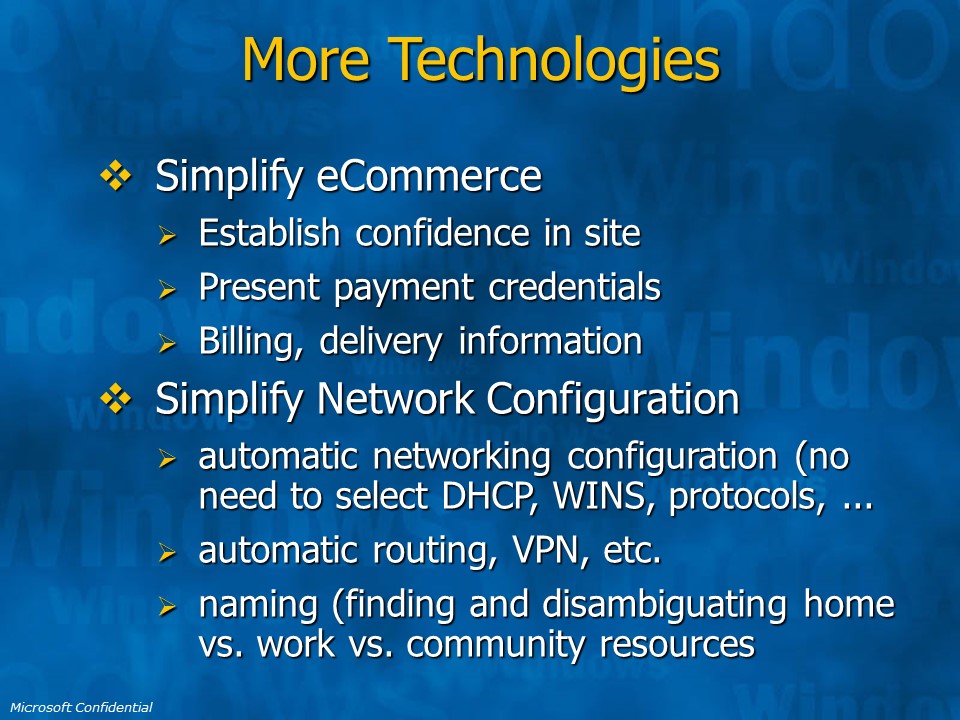
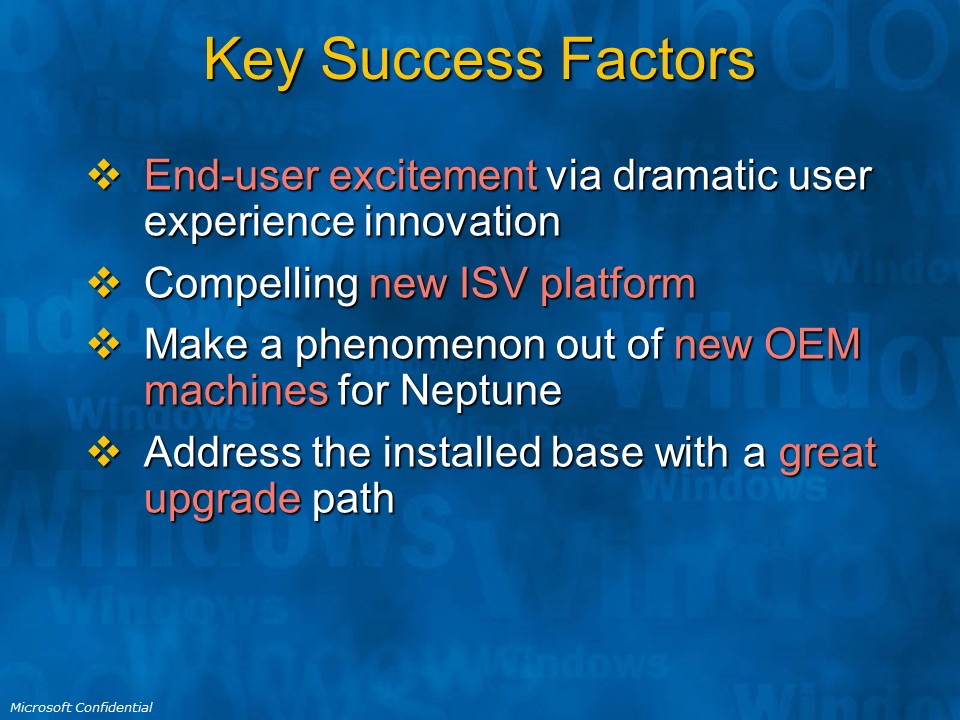
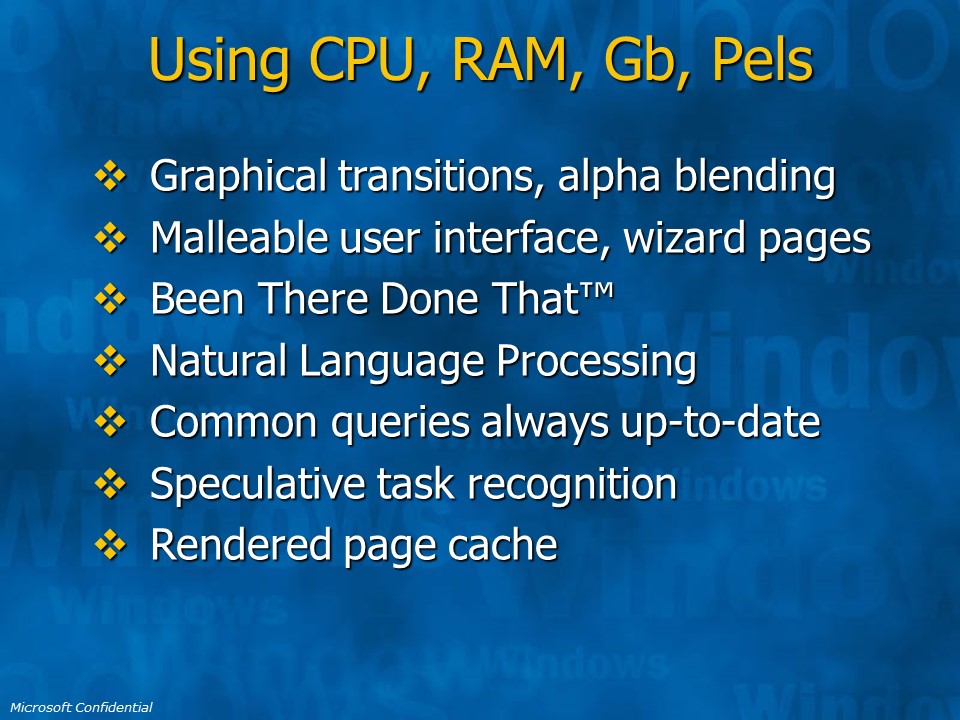
On 8/3/1998, there was an internal Strategy Conference, and I put together the presentation below, describing our vision for a human-centered computing experience that rose above and integrated Windows and the Internet.
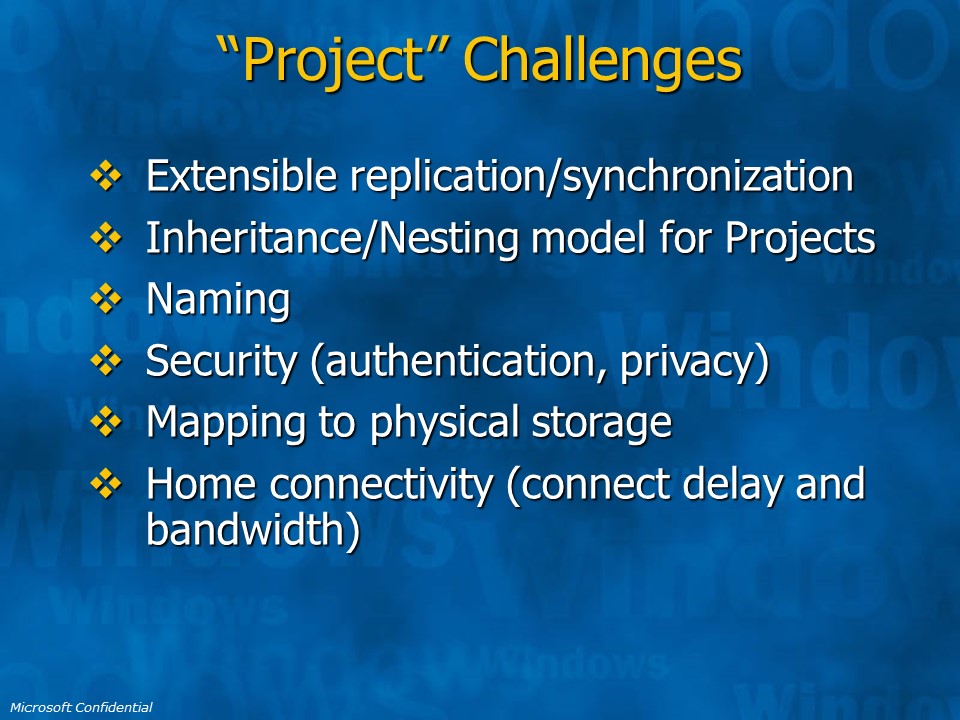
Our key insight was that most of the work people do is in the context of a project: a couple planning a Hawaiian vacation, a group of parents and teachers planning a PTSA event, or a complex financial transaction involving multiple corporations, law firms, bankers and consultants.
Microsoft Teams and Slack are both on the path toward our 1998 vision of The Windows Service, but both have complications and limitations. Our key insight was that the project should be the organizing principle, not teams.
Why were Joe, Steve, and I unable to convince Microsoft to pursue this vision 22 years ago? My best guess: Bill Gates thought it sounded too much like the mainframe, which Microsoft had killed with Windows and the Personal Computer. We were simply too far ahead of our time.



 Ben Slivka
Just curious why you can’t compile and release Redshark on your own, I’m curious to try it. Also with all of the services available online, most, if not all things have been addressed by one company or other..
RedShark was only a tiny prototype of what a future Windows “shell” (Explorer for Windows, or Finder for MacOS) might look like. It would have taken many hundreds of person-years of work to produce a tested, reliable commercial product.
Ok gotcha. I guess it looks simple to the end user but the programming takes a lot longer. Did this have anything to do with the WinFS in longhorn or no connection?
WinFS was an outgrowth of the “Cairo” project: a set of features (“a hammer”) looking for a real customer problem (“a nail”). WinFS never shipped because it did not solve any real customer problems.
Speaking of explorer why is it so slow and clunky? I like the UI, but looking at other file managers like Directory opus, it’s very slow. Curious who worked on that..
If you are asking about Windows [FIle] Explorer, the original version for Windows 95 was quite zippy. But that was 30 years ago. It has gone through many hands since then. I notice it is VERY SLUGGISH when I am viewing a directory with a bunch of [4K resolution] MP4 files. Clearly no one has tested THAT scenario. I assume it is slow because the “shell” code is busy inspecting very closely each of these multi-gigabyte files! I left MSFT in 8/1999, and while some of my code [for *.CAB files] is still in the codebase today, I have had zero influence on the Windows code base for the past almost 26 years. 😉